Pause & Reflect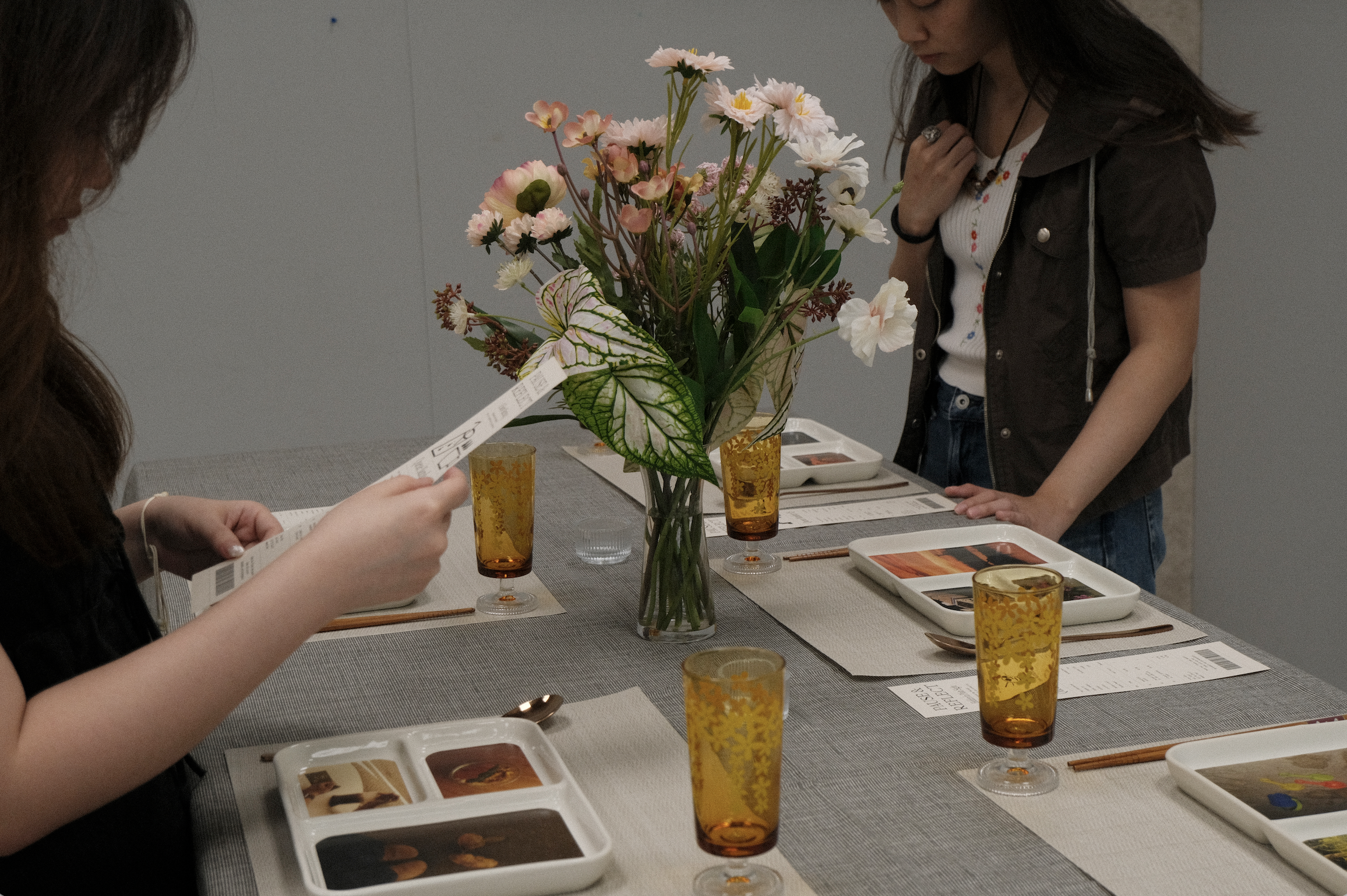
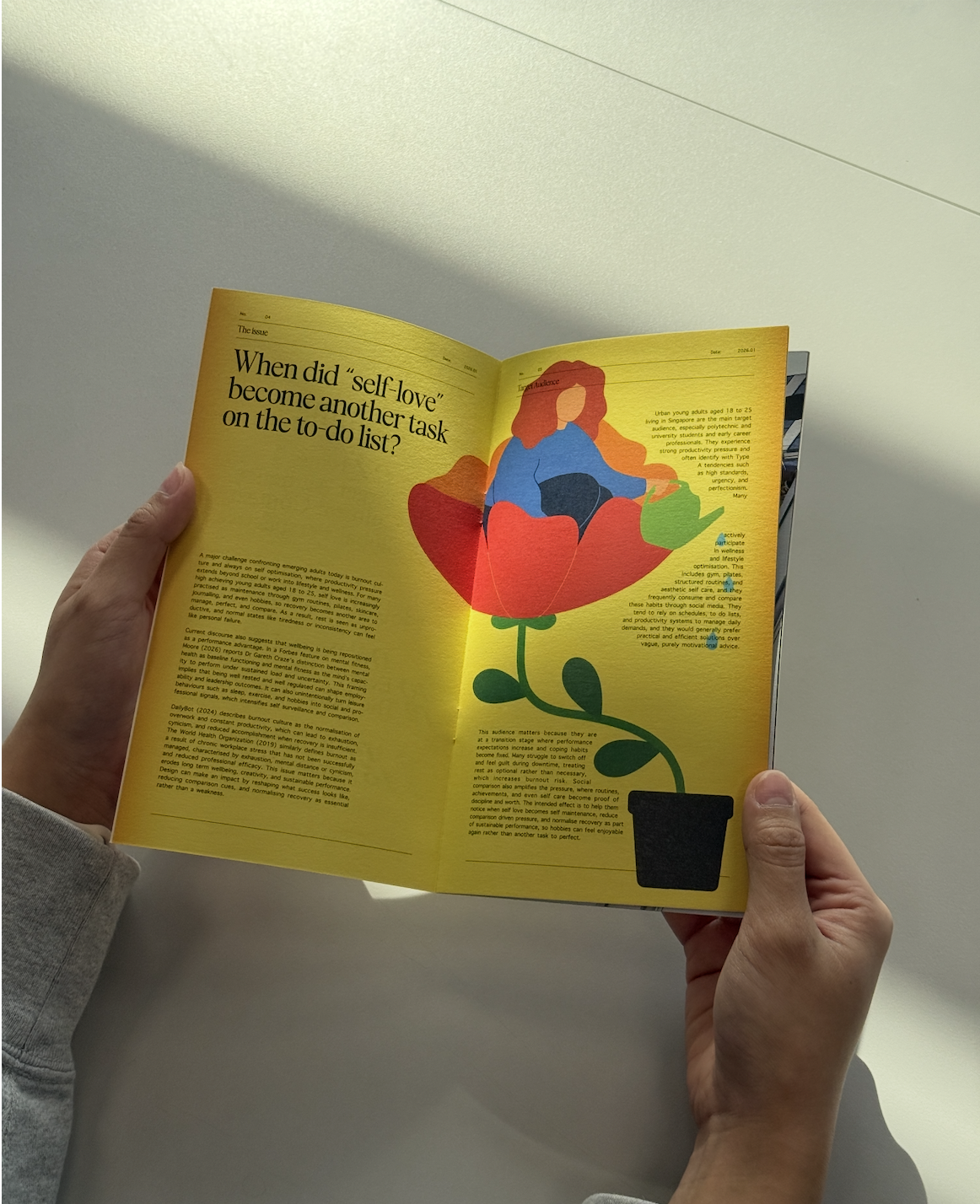
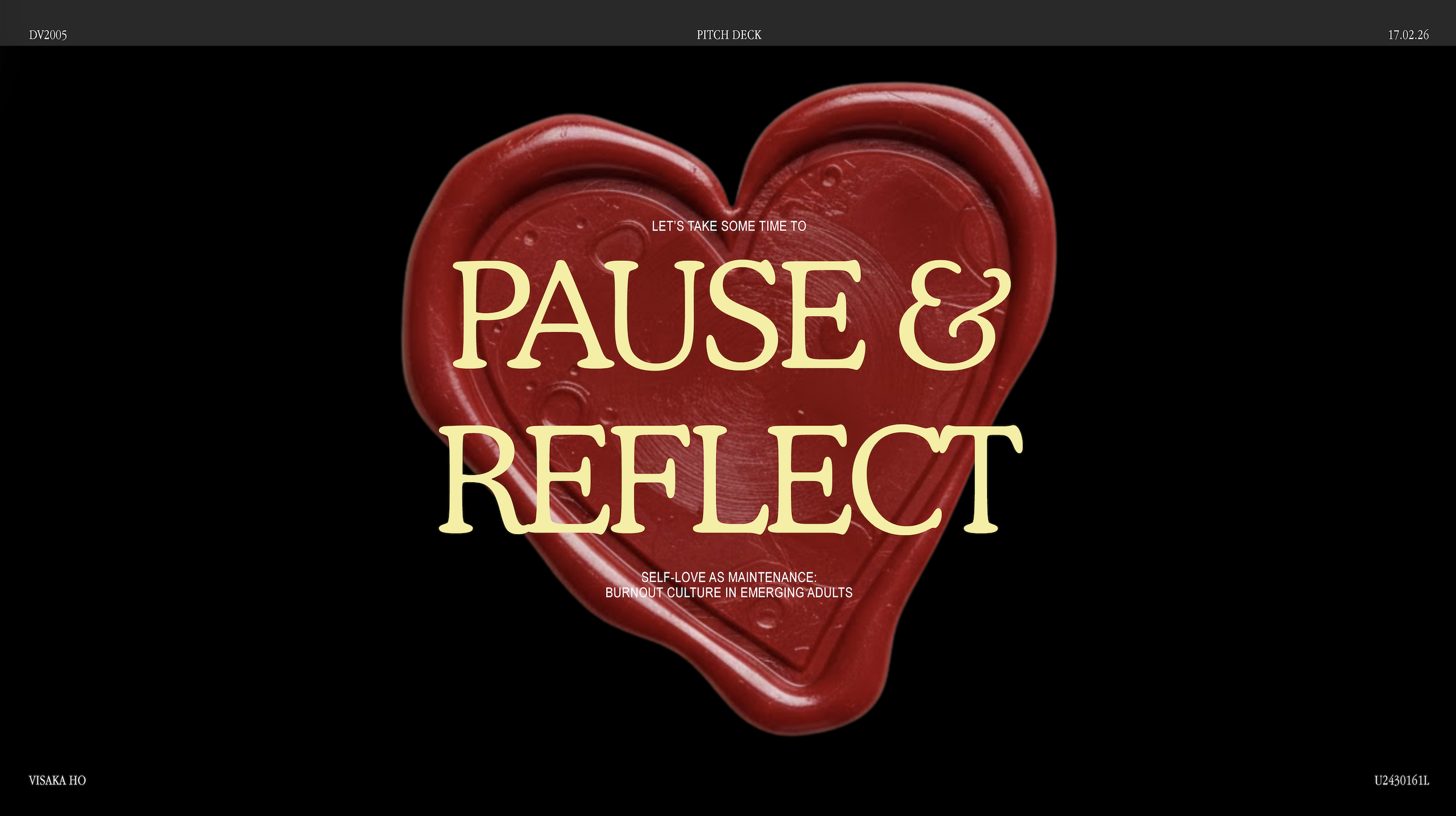
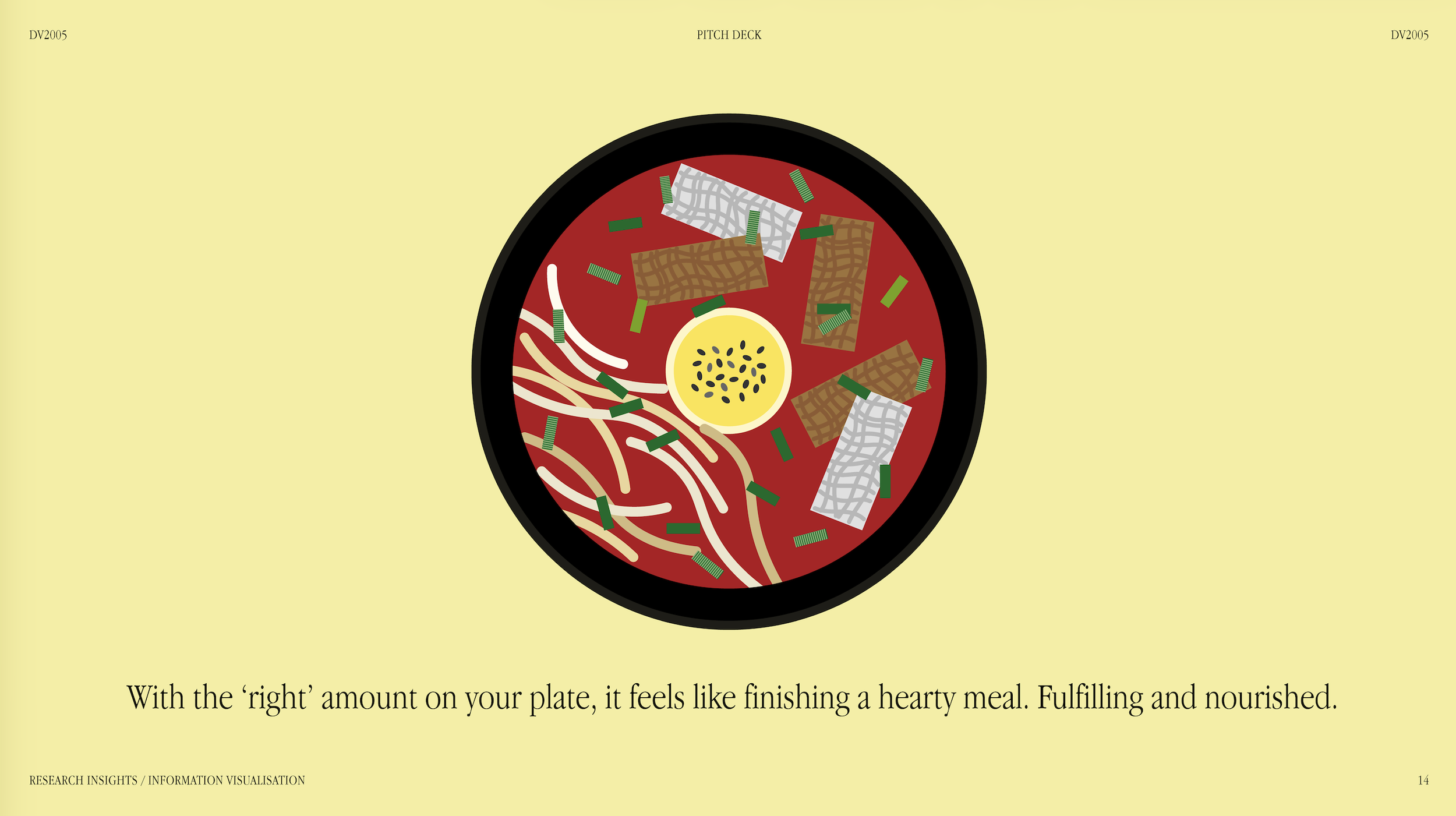
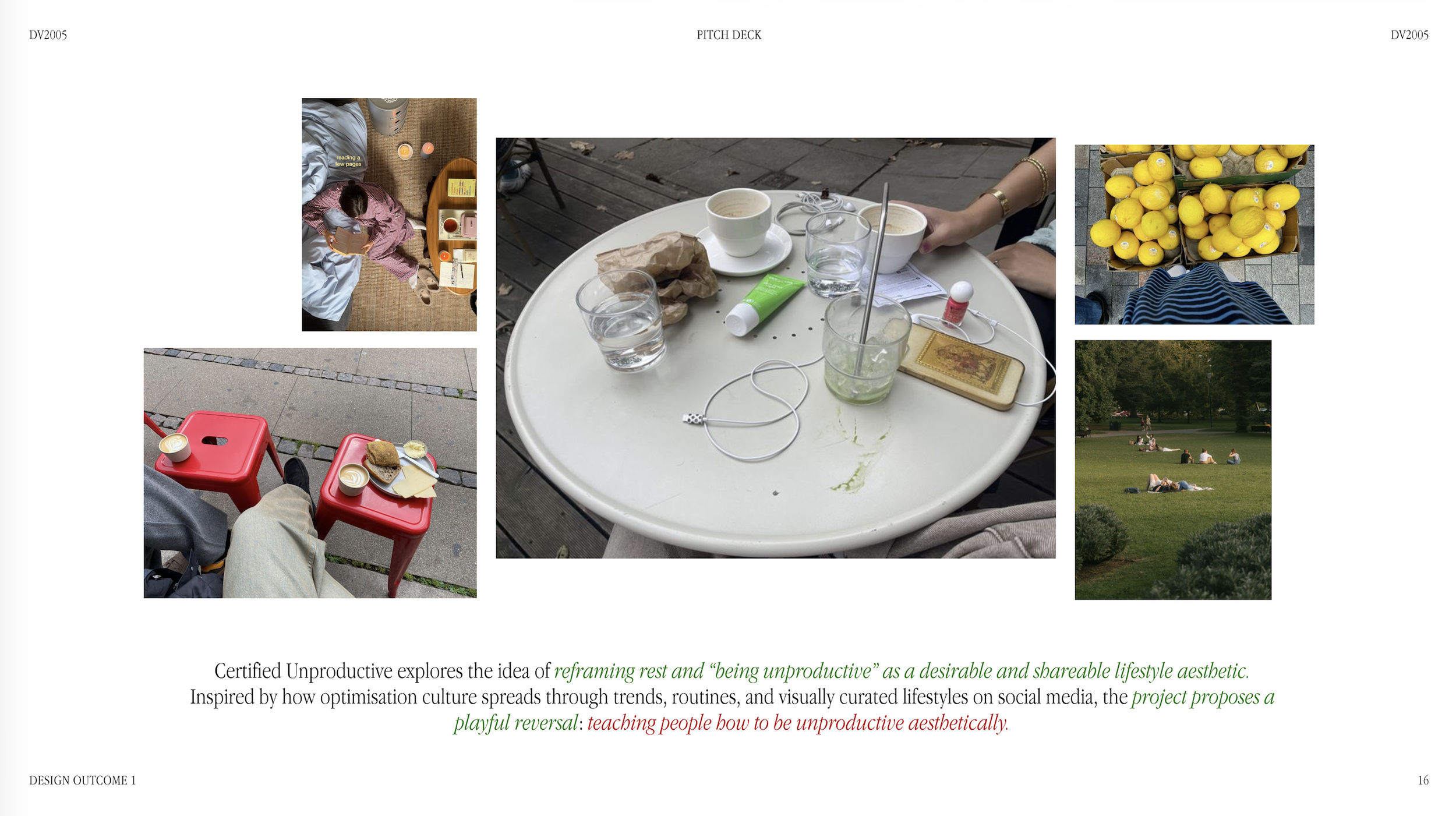
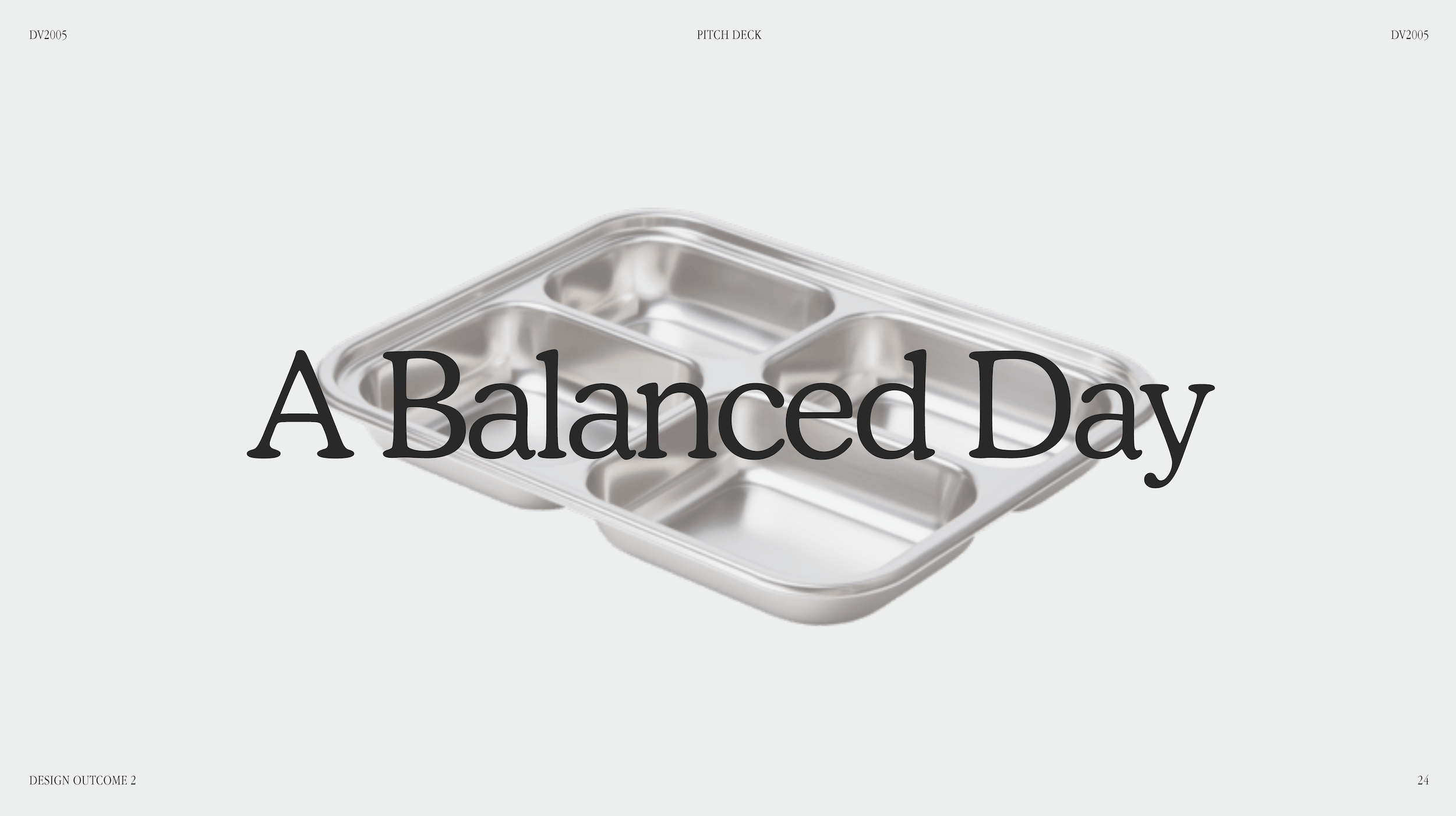
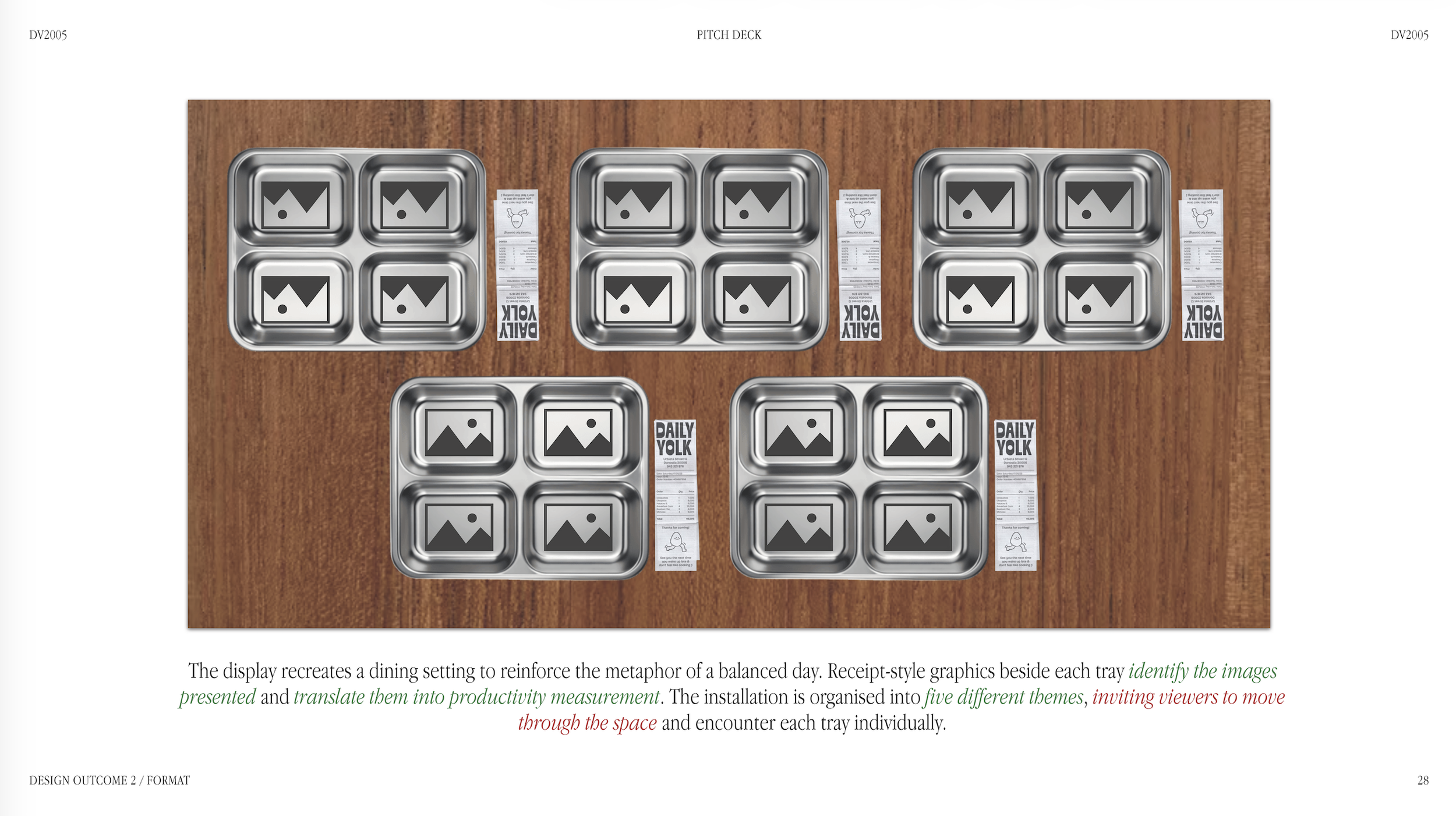
How i approached it:pause & reflect is an exhibition that challenges productivity culture and the guilt surrounding rest among emerging adults. using the familiar idea of a balanced meal, i created five different “plates”—a slow morning, intentional pause, social recharge, hidden in plain sight, and small joys—each presenting everyday moments that can contribute to a more fulfilling and balanced day. photographs of quiet routines, social connection, overlooked surroundings, and simple pleasures were arranged within compartmentalised dining trays, encouraging viewers to consider what might be missing from their own lives. presented as a dining-table installation, the exhibition invited viewers to move through each setting, slow down, and reflect on how rest can be valued as an essential part of daily life rather than something that must be earned.
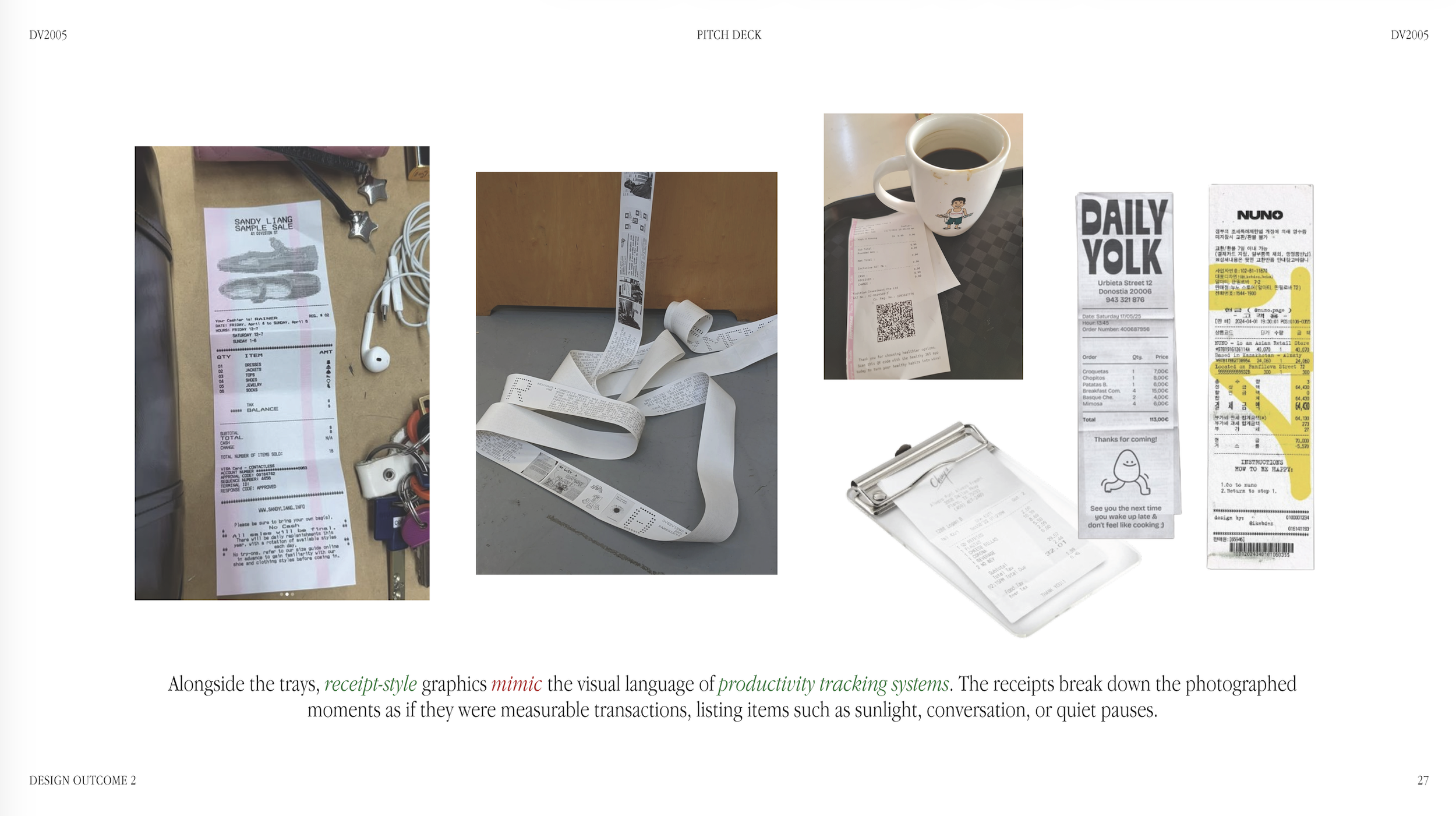
to complete the experience, i designed receipt-style cards that listed each moment as though it were a measurable transaction, playfully referencing the way productivity culture quantifies our time and wellbeing. an accompanying menu-style brochure brought all five plates together, allowing viewers to browse the different options and choose the kind of balance they might need for their own day. through this project, i learnt how to translate research on burnout and self-care into an immersive visual system, combining photography, editorial design, spatial styling, and storytelling to turn an abstract topic into a familiar and reflective experience.
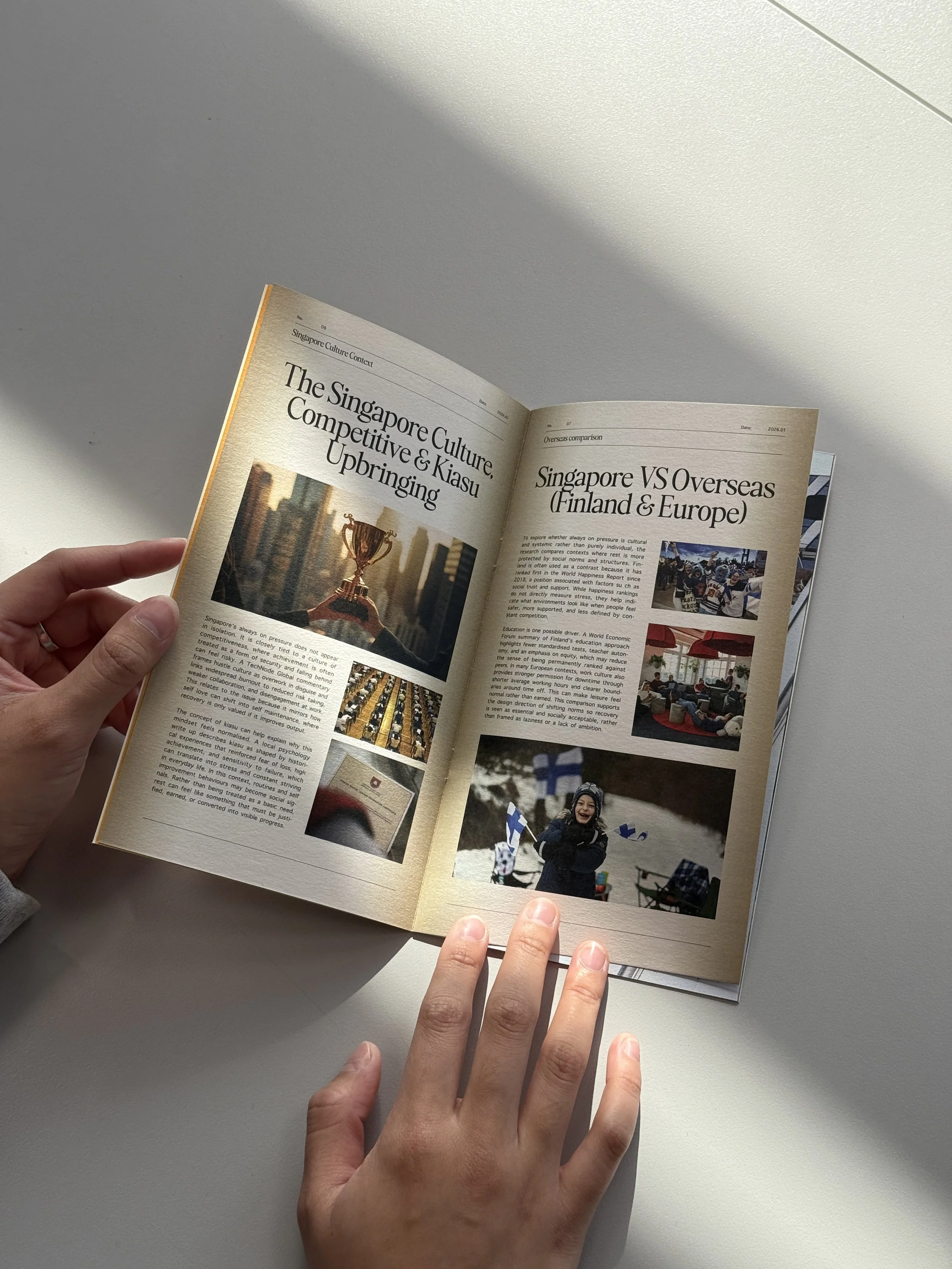
Project Outline:
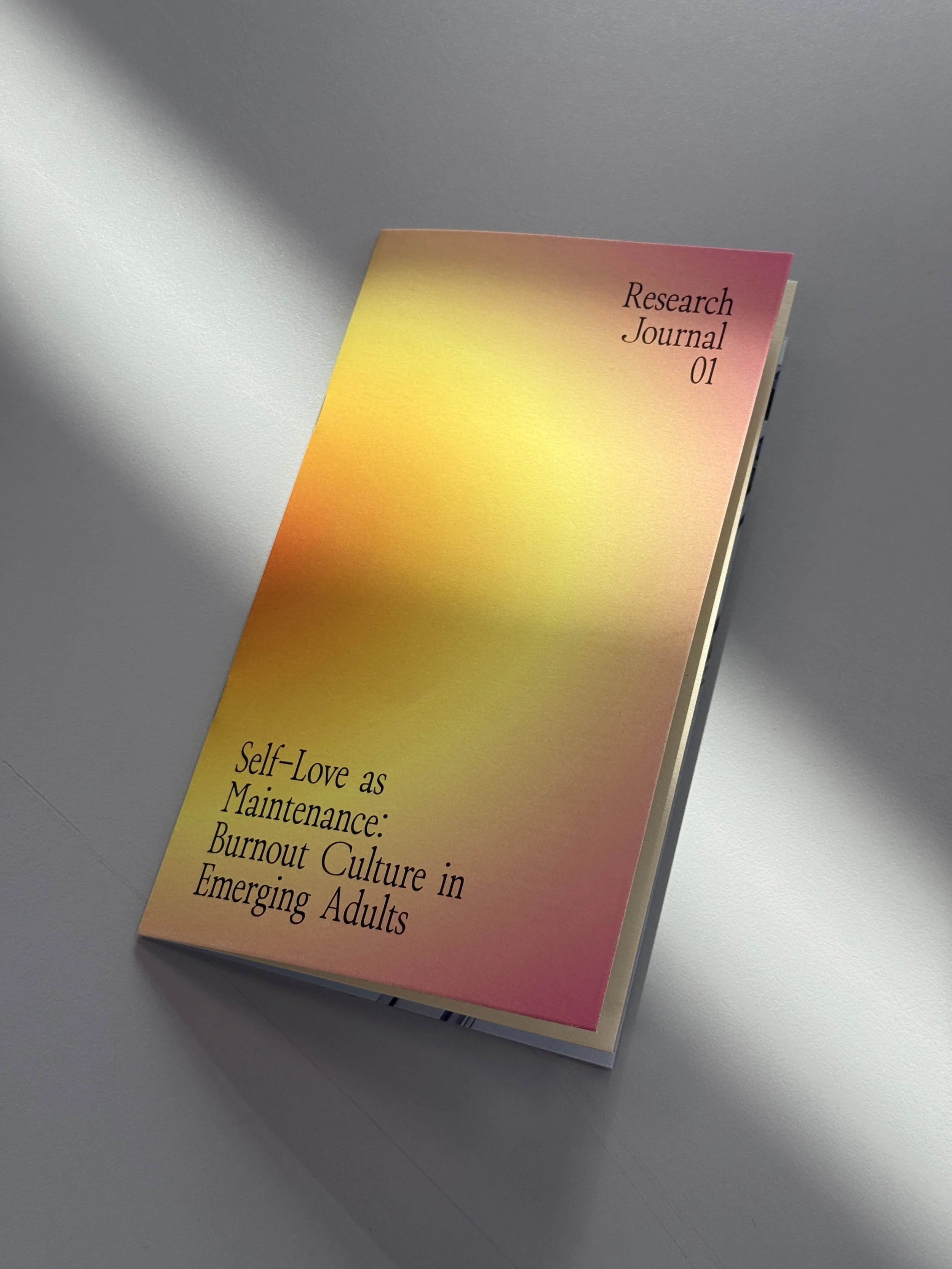
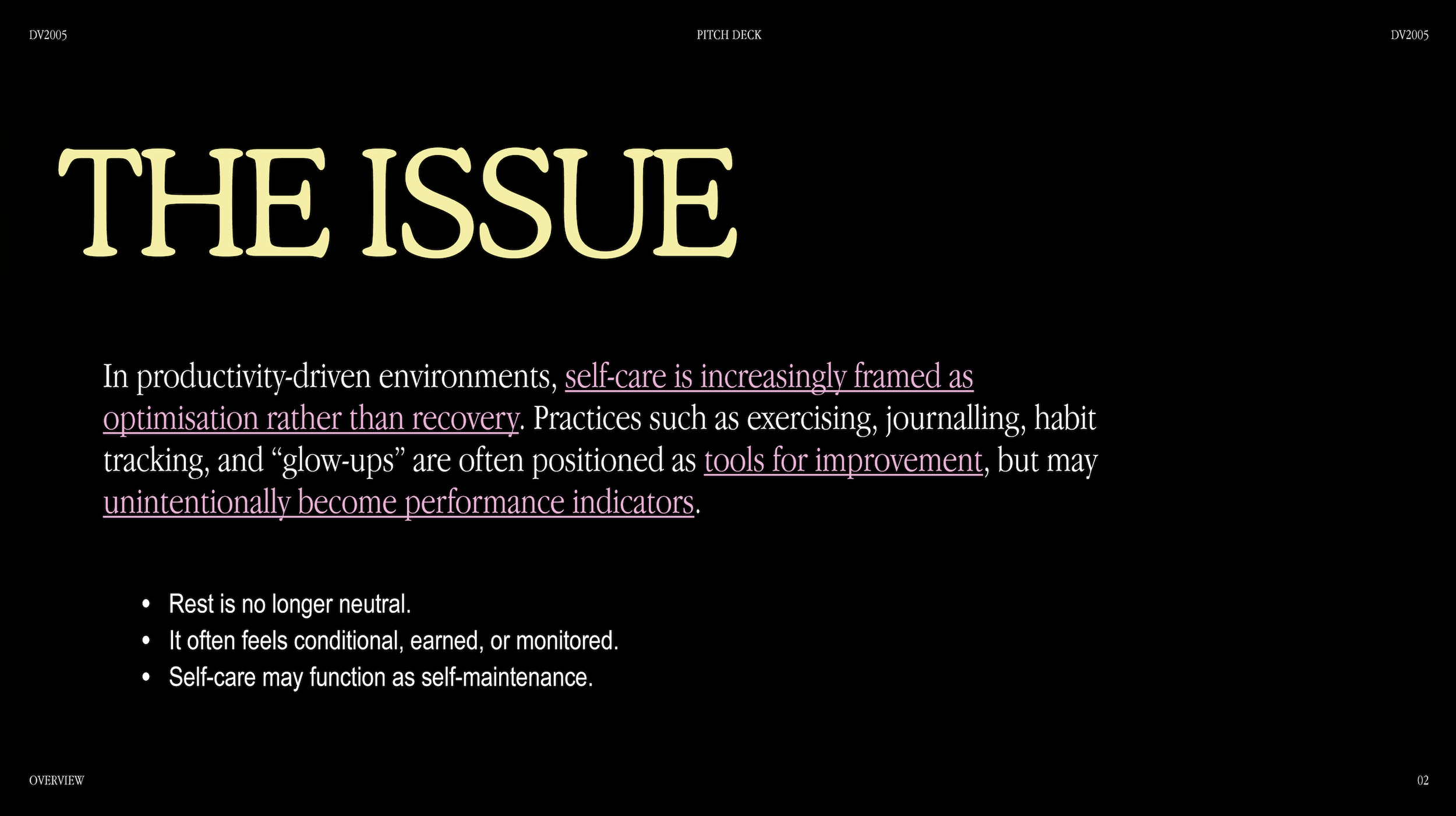
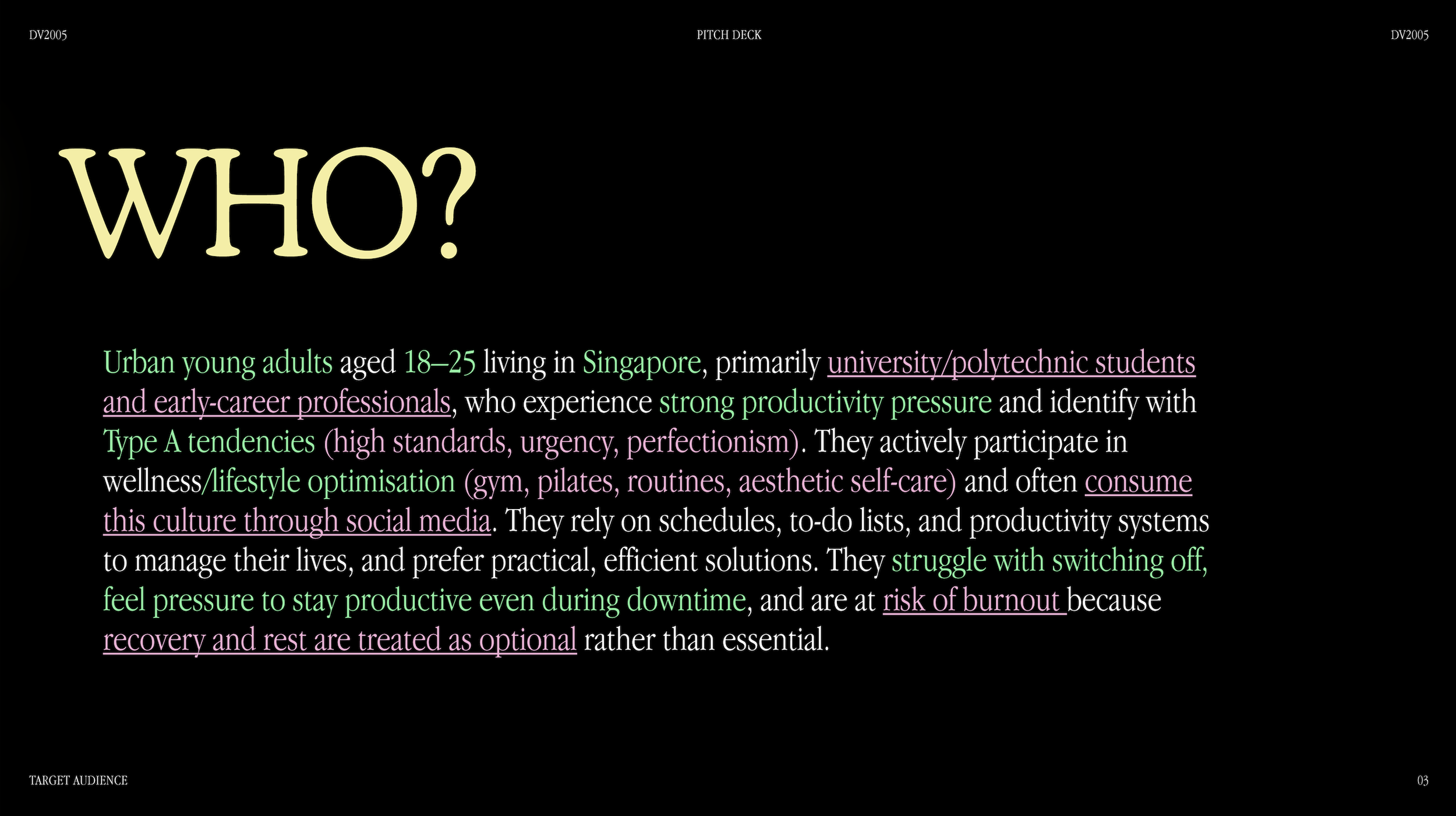
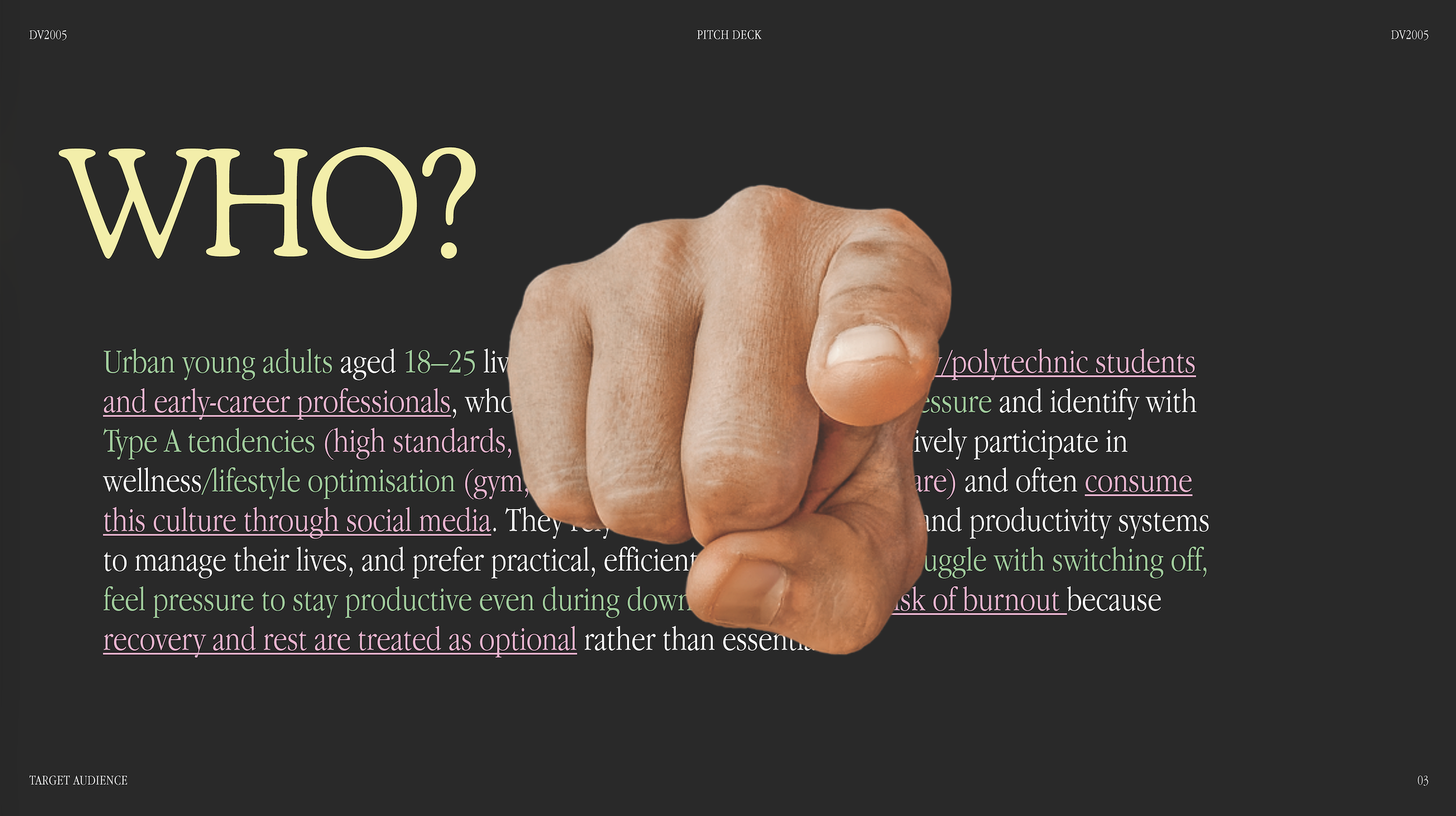
the project required us to explore how visual communication can respond to a socio-cultural or political issue that we care about. we first identified a cause, community, or belief system that may be overlooked or misunderstood, before conducting two stages of research to define the problem, understand the people affected, and identify a specific target audience. these findings were then synthesised into a design pitch featuring 2–3 possible design outcomes, supported by information visualisation, a moodboard, and clear research-based reasoning. the final task was to develop at least one communication design outcome—such as a campaign, publication, digital platform, product, service, or intervention—that raises awareness, encourages action, and contributes towards meaningful change.
<- BUTTERFLIES IN THE TUMMY